
By continuing to use the site, you allow the use of Cookies and agree to the privacy policy.
.,о.,р..и.:г,.и.,н.;н.,а;,л.. .,н.:а,.х.,о.,д.;и.,т..с.:я,, ..н.;а., .,k;,i..b.:e,;r.,i.,s.,.;.r.:u,

Functional dysphonia

Add
Found 281 (49) ⓘFound 281 drug (49 of these, according to Kiberis statistics) in 23 selected book (author) ... hide
  Effect Influence Cases ⓘ  Effect - how much the symptom improves in one treatment cycle on average. Example: drug Pain relief for cancer pain-Effectiveness (E) is high, but the effect (I) negative, because the patient will get worse over time.
Influence of the symptom on the outcome of the patient's treatment as a whole (i.e., the importance of the symptom). Example: menopause can not be cured (E low). But some means during menopause will be better than others (I high).
Cases - the number of investigated treatment results for a given complaint, on the basis of which the effect and effect were calculated. These cases have already passed automatic AI verification of data quality and reliability.
  • hoarseness voice
  • 92%+3%10   Hidden. Need a subscription
  • 92%+21%8 read Radium bromatum
  • 84%+26%6 read Arsenicum iodatum
  • 82%+24%13 read China officinalis
  • 82%+31%4 read Phytolacca decandra
  • 80%+9%29 read Mucosa compositum
    • 100% +21% 7 with «nasal congestion»
    • 91% +24% 7 with «barking cough»
    • On average: 80% 9% 29 
  • 79%+17%19 read Crotalus horridus
    • On average: 79% 17% 19 
    • 58% +11% 8 with «heart dysfunction»
  • 79%+14%10 read Laurocerasus officinalis
  • 78%+23%6 read Bronchalis-heel
  • 75%+30%11 read Chelidonium majus
  • 75%+17%4 read Эдас-133
  • 71%+26%15 read Tuberculinum
    • 94% +40% 4 with «feeling in the throat»
    • 94% +32% 4 with «sweating is increased»
    • 83% +30% 8 with «runny nose»
    • On average: 71% 26% 15 
  • 70%+10%23 read Argentum metallicum
    • 91% +4% 6 with «runny nose»
    • On average: 70% 10% 23 
  • 70%+22%11 read Arnica montana
  • 69%-6%26 read Sanguinaria canadensis
    • 100% +25% 5 with «pneumonia»
    • 100% +3% 4 with «headaches»
    • 95% +14% 10 with «impaired lung function»
    • 94% +9% 7 with «heart dysfunction»
    • 92% +9% 5 with «violation of the function of both lungs»
    • On average: 69% -6% 26 
    • 24% -43% 6 with «throat hurts»
    • 15% -48% 5 with «nasal congestion»
    • 3% -65% 4 with «throat tickling»
    • 3% -65% 4 with «pain in the larynx»
  • 69%+0%20 read Echinacea compositum sn
    • 100% +22% 6 with «quickly gets tired»
    • 79% +18% 8 with «ARVI»
    • On average: 69% 0% 20 
  • 69%+16%19 read Spongia tosta
    • 100% +33% 4 with «feeling in the throat»
    • 91% +42% 7 with «throat hurts»
    • 89% +39% 5 with «cough wet»
    • 86% +46% 5 with «better from heat»
    • 86% +49% 5 with «throat tickling»
    • 86% +49% 5 with «pain in the larynx»
    • 76% +24% 10 with «dry cough»
    • On average: 69% 16% 19 
    • 50% -9% 8 with «runny nose»
  • 68%+1%10 read Ipecacuanha
    • 100% +31% 5 with «cough paroxysmal»
    • 100% +19% 5 with «eating and drinking»
    • 100% +27% 5 with «feeling in the throat»
    • On average: 68% 1% 10 
  • 68%+1%24 read Chininum arsenicosum
    • 92% +17% 9 with «liver dysfunction»
    • 92% +17% 9 with «liver problems»
    • 92% +11% 6 with «dysfunction of the left lung»
    • 90% +19% 10 with «feeling in the throat»
    • 88% +20% 10 with «diseases of the gastrointestinal tract»
    • 83% +3% 8 with «runny nose»
    • On average: 68% 1% 24 
    • 48% -7% 11 with «sweating is increased»
    • 38% -11% 6 with «cough wet»
  • 67%+21%27 read Causticum hahnemanni
    • 100% +38% 8 with «impaired lung function»
    • 100% +40% 6 with «heart dysfunction»
    • 93% +30% 6 with «diseases of the gastrointestinal tract»
    • 92% +26% 5 with «warts»
    • 91% +28% 4 with «warts on the face»
    • On average: 67% 21% 27 
    • 51% +20% 11 with «runny nose»
    • 37% -1% 6 with «sweating is increased»
  • 64%+9%11 read Antimonium tartaricum
  • 60%-16%9 read Tonsilla compositum
  • 59%-1%18 read Silica terra
    • 86% -8% 6 with «runny nose»
    • 83% +26% 6 with «sweating is increased»
    • 82% -6% 4 with «inflates the nostrils»
    • 82% -6% 4 with «nasal congestion»
    • 76% +11% 6 with «inflammation»
    • On average: 59% -1% 18 
  • 59%+10%33 read Lachesis muta
    • 95% +43% 5 with «enlargement of tonsils»
    • 83% +11% 4 with «noise in the head»
    • 83% +11% 4 with «ringing in the head»
    • 83% +11% 4 with «tinnitus»
    • 77% +9% 5 with «joint pain»
    • 77% +9% 5 with «joint diseases»
    • 71% +18% 6 with «worse lying down»
    • 70% +23% 7 with «diseases of the gastrointestinal tract»
    • On average: 59% 10% 33 
    • 44% +12% 9 with «swelling»
    • 42% +2% 8 with «nasal congestion»
    • 42% +2% 8 with «inflates the nostrils»
    • 42% +0% 8 with «sensations in the extremities»
    • 40% +7% 9 with «pain chest»
    • 35% -4% 8 with «cough wet»
    • 33% +17% 8 with «skin problems»
    • 21% +3% 9 with «pain throughout the body»
    • 21% +3% 9 with «pain in the left side of the body»
  • 58%+8%15 read Sepia officinalis
    • 95% +3% 4 with «rashes on the face»
    • 95% +3% 4 with «rashes on the head»
    • 94% +10% 3 with «brown spots on the skin»
    • 94% +10% 3 with «skin spots»
    • 79% +5% 5 with «throat hurts»
    • 76% +22% 5 with «chilly»
    • 75% +6% 5 with «eating and drinking»
    • On average: 58% 8% 15 
  • 57%+5%52 read Kalium carbonicum
    • 100% +38% 4 with «bilateral pneumonia»
    • 100% +26% 4 with «better from hot drinking»
    • 100% +48% 4 with «is worse at night and in the morning»
    • 100% +48% 4 with «worse at night»
    • 99% +40% 8 with «subfebrility»
    • 99% +33% 7 with «coughing in the morning»
    • 99% +35% 8 with «asleep cough during the day»
    • 99% +33% 7 with «cough after awakening»
    • 99% +35% 8 with «cough worse in the afternoon»
    • 99% +9% 6 with «dyspnea»
    • 89% +36% 8 with «worse in morning»
    • 88% +8% 4 with «pain in the left side of the body»
    • 88% +8% 4 with «pain throughout the body»
    • 84% +34% 10 with «worse during day»
    • 82% +22% 4 with «cough from dry throat»
    • 82% +22% 4 with «cough from tickling in the throat»
    • 82% +22% 4 with «cough tickling dry»
    • 81% +35% 4 with «itchy throat»
    • 79% +12% 7 with «worse lying down»
    • 78% +29% 11 with «cough with difficult sputum»
    • 78% +15% 4 with «cough deep»
    • 75% +30% 7 with «acute condition»
    • 73% +36% 6 with «sputum green»
    • 73% +31% 5 with «dry mouth»
    • 71% +26% 8 with «violation of the right departments hearts»
    • 68% +11% 9 with «face is yellow»
    • 68% +16% 9 with «chest pain when coughing»
    • 64% +18% 8 with «transparent snot»
    • 64% +7% 8 with «barking cough»
    • On average: 57% 5% 52 
    • 45% +1% 9 with «red throat»
    • 45% -12% 11 with «headaches»
    • 45% -8% 9 with «general weakness»
    • 38% -7% 6 with «dryness in the nose»
    • 36% +1% 5 with «watery discharge from the nose»
    • 30% -20% 8 with «sensations in the legs»
    • 30% -20% 8 with «sensations in the extremities»
    • 29% -26% 5 with «pain when swallowing»
    • 25% -21% 7 with «pain in the legs»
    • 19% -24% 6 with «runny nose stuffiness»
  • 56%+10%70 read Phosphorus
    • 93% +32% 6 with «voice disappeared»
    • 92% +26% 5 with «sweating during the day»
    • 91% +22% 4 with «night sweating»
    • 91% +22% 4 with «night sweat»
    • 91% +22% 4 with «excessive sweating at night»
    • 90% +33% 4 with «violation of the function of the right lung»
    • 90% +36% 6 with «mucus in the nose»
    • 90% +36% 6 with «mucous discharge from the nose»
    • 90% +36% 6 with «mucus throat»
    • 88% +29% 5 with «pain in the eyes»
    • 88% +20% 4 with «pneumonia»
    • 88% +19% 4 with «constipation»
    • 88% +22% 7 with «ARVI»
    • 84% +31% 9 with «posterior rhinitis»
    • 84% +31% 9 with «mucus on the back wall of the pharynx»
    • 82% +24% 11 with «sweating is increased»
    • 81% +35% 6 with «green discharge from the nose»
    • 78% +11% 5 with «rash on the limbs»
    • 78% +6% 3 with «cancer»
    • 77% +11% 5 with «worse from cold»
    • 77% +11% 9 with «allergy»
    • 77% +2% 4 with «allergy on the face»
    • 76% +32% 6 with «facial pain»
    • 75% +16% 9 with «yellow snot»
    • 75% +5% 2 with «metastases»
    • 74% +7% 5 with «cold extremities»
    • 74% +7% 5 with «cold legs»
    • 73% +10% 8 with «headaches»
    • 72% +25% 9 with «worse in morning»
    • 71% +13% 10 with «face is yellow»
    • 69% +21% 9 with «dyspnea»
    • 69% +23% 9 with «cough after awakening»
    • 68% +2% 11 with «sensations in the extremities»
    • 68% +17% 8 with «general weakness»
    • 67% +16% 5 with «anxiety»
    • 61% +12% 9 with «sleep intermittent»
    • On average: 56% 10% 70 
    • 46% +11% 9 with «dry mouth»
    • 45% +9% 7 with «cough worse lying down»
    • 42% -15% 8 with «poor sleep»
    • 42% +1% 6 with «better from heat»
    • 42% +9% 8 with «cough with difficult sputum»
    • 38% +11% 10 with «chest pain when coughing»
    • 35% +8% 5 with «apathy»
    • 32% -17% 5 with «emotional»
    • 30% -1% 4 with «hyperopia»
    • 29% +8% 6 with «red throat»
    • 29% -6% 5 with «cough paroxysmal»
    • 26% -3% 11 with «barking cough»
    • 25% +4% 7 with «itchy skin»
    • 24% +10% 8 with «pain in the larynx when coughing»
    • 24% +10% 8 with «tickling with cough»
    • 24% +10% 8 with «sore throat during coughing»
    • 24% +10% 8 with «tickling throat cough»
    • 24% -8% 4 with «rashes dry»
    • 24% +0% 6 with «inflates the nostrils»
    • 24% +10% 8 with «chest tickling»
    • 21% -12% 3 with «thin»
    • 18% +3% 4 with «quiet voice»
    • 5% -41% 4 with «abdominal pain»
  • 54%-1%6 read Calcarea phosphorica
  • 51%+8%14 read Hepar sulphuris calcareum
  • 50%+1%17 read Rhus toxicodendron
  • 50%+12%28 read Bryonia alba
    • 91% +38% 5 with «pain throughout the body»
    • 91% +38% 5 with «pain in the left side of the body»
    • 90% +34% 7 with «heart dysfunction»
    • 85% +35% 7 with «sensations in the extremities»
    • 83% +32% 6 with «pain in the legs»
    • 83% +32% 6 with «sensations in the legs»
    • 81% +44% 8 with «high temperature»
    • 79% +42% 10 with «feeling in the throat»
    • 78% +16% 6 with «hypertension»
    • 78% +35% 11 with «pain chest»
    • 77% +19% 5 with «worse lying down»
    • 77% +47% 4 with «cold extremities»
    • 77% +17% 8 with «runny nose»
    • 75% +51% 4 with «inflates the nostrils»
    • 74% +36% 9 with «chest pain when coughing»
    • 74% +27% 9 with «barking cough»
    • 73% +30% 10 with «nasal congestion»
    • 72% +33% 9 with «impaired lung function»
    • 71% +39% 6 with «tickling with cough»
    • 71% +39% 6 with «chest tickling»
    • 71% +39% 6 with «pain in the larynx when coughing»
    • 71% +39% 6 with «sore throat during coughing»
    • 71% +39% 6 with «tickling throat cough»
    • 71% +25% 8 with «diseases of the gastrointestinal tract»
    • 70% +24% 7 with «chilly»
    • 70% +33% 9 with «cough wet»
    • 63% +11% 10 with «dry cough»
    • On average: 50% 12% 28 
  • 50%+14%36 read Lycopodium clavatum
    • 100% +26% 5 with «dry cough»
    • 91% +25% 6 with «eating and drinking»
    • 89% +14% 9 with «sensations in the extremities»
    • 88% +13% 8 with «sensations in the legs»
    • 78% +32% 8 with «general weakness»
    • 78% +15% 9 with «sweating is increased»
    • 71% +13% 6 with «rash on the limbs»
    • On average: 50% 14% 36 
    • 33% +9% 9 with «cough wet»
    • 7% -14% 7 with «feeling in the throat»
  • 50%+13%7 read Rumex crispus
    • 82% +29% 4 with «eating and drinking»
    • On average: 50% 13% 7 
  • 50%+14%44 read Arsenicum album
    • 89% +43% 6 with «bronchitis»
    • 88% +31% 7 with «ARVI»
    • 80% +27% 5 with «soreness of the skin»
    • 78% +40% 4 with «liver dysfunction»
    • 76% +22% 10 with «worse during day»
    • 75% +25% 8 with «worse in morning»
    • 74% +37% 5 with «liver problems»
    • 73% +36% 9 with «diseases of the gastrointestinal tract»
    • 73% +31% 7 with «worse from cold»
    • 72% +26% 9 with «cough wet»
    • 72% +27% 11 with «headaches»
    • 71% +22% 6 with «acute condition»
    • 70% +31% 8 with «skin problems»
    • 68% +27% 6 with «posterior rhinitis»
    • 68% +27% 6 with «mucus on the back wall of the pharynx»
    • 66% +14% 6 with «discharge phobias»
    • 65% +8% 10 with «chilly»
    • 64% +0% 5 with «nasal congestion»
    • 64% +16% 7 with «pain throughout the body»
    • 64% +16% 7 with «pain in the left side of the body»
    • 63% +16% 6 with «cough worse in the afternoon»
    • 63% +16% 6 with «asleep cough during the day»
    • 61% +3% 7 with «better from heat»
    • On average: 50% 14% 44 
    • 44% +14% 11 with «high temperature»
    • 38% +2% 10 with «pain in the larynx»
    • 38% +2% 10 with «throat tickling»
    • 35% +10% 10 with «general weakness»
  • 42%+3%19 read Natrum sulphuricum
    • 60% +19% 9 with «pneumonia»
    • On average: 42% 3% 19 
    • 25% +3% 8 with «impaired lung function»
  • 38%+8%48 read Sulphur
    • 95% +57% 7 with «impaired lung function»
    • 84% +52% 6 with «stuffy ears»
    • 81% +39% 4 with «forgetfulness»
    • 80% +50% 5 with «green discharge from the nose»
    • 78% +49% 4 with «sputum in the morning»
    • 76% +33% 5 with «dizziness»
    • 75% +29% 6 with «likes sweets»
    • 73% +41% 8 with «watery discharge from the nose»
    • 72% +22% 6 with «quickly gets tired»
    • 71% +25% 7 with «pain in the legs»
    • 71% +26% 4 with «cough from dry throat»
    • 70% +43% 6 with «yellow snot»
    • 69% +30% 7 with «hot patient»
    • 69% +36% 8 with «pain in the left side of the body»
    • 67% +31% 9 with «pain throughout the body»
    • 66% +20% 9 with «worse from movement»
    • 66% +29% 8 with «chest pain when coughing»
    • 66% +38% 5 with «chilly»
    • 65% +27% 5 with «lump in the throat»
    • 64% +18% 5 with «pain when moving»
    • 64% +30% 4 with «coughing in the morning»
    • 64% +30% 4 with «cough after awakening»
    • 63% +38% 7 with «face is yellow»
    • 62% +5% 9 with «general weakness»
    • 60% +19% 7 with «barking cough»
    • 60% +29% 11 with «transparent snot»
    • 59% +26% 9 with «dry mouth»
    • 59% +23% 6 with «asleep cough during the day»
    • 59% +14% 5 with «desire for fresh air»
    • 59% +32% 9 with «cough wet»
    • 58% +26% 9 with «throat tickling»
    • 58% +26% 9 with «pain in the larynx»
    • 58% +1% 5 with «worse lying down»
    • 55% +23% 5 with «cough worse in the afternoon»
    • 55% +22% 10 with «sensations in the extremities»
    • 55% +22% 10 with «sensations in the legs»
    • 54% +1% 9 with «diseases of the gastrointestinal tract»
    • 54% +12% 10 with «dyspnea»
    • 53% +33% 11 with «sweating is increased»
    • 52% +17% 7 with «worse during day»
    • 51% +23% 7 with «pain when swallowing»
    • On average: 38% 8% 48 
    • 28% -7% 10 with «inflates the nostrils»
    • 26% +0% 6 with «congestion of the left nostril»
    • 26% +3% 8 with «emotional»
    • 24% -10% 6 with «allergy»
    • 16% -4% 8 with «red throat»
    • 15% +3% 7 with «impressionability»
    • 13% -23% 4 with «sinusitis»
    • 10% +18% 4 with «white plaque on the tongue»
    • 6% +4% 6 with «overlaid tongue»
    • 6% -8% 7 with «better from heat»
    • 6% -10% 4 with «it is better from warm drinking»
  • 37%+0%14 read Thuja occidentalis
    • 100% +28% 4 with «warts»
    • 92% +26% 4 with «diseases of the gastrointestinal tract»
    • On average: 37% 0% 14 
    • 4% -14% 6 with «throat hurts»
    • -3% -21% 6 with «feeling in the throat»
  • 37%-1%22 read Calcarea carbonica
    • 80% +45% 5 with «cough wet»
    • 77% +33% 10 with «runny nose»
    • 76% +6% 6 with «nasal congestion»
    • 71% +40% 5 with «freezes»
    • 70% +27% 10 with «cough»
    • 66% +31% 4 with «high temperature»
    • 59% +25% 5 with «dry cough»
    • 55% +14% 5 with «eating and drinking»
    • On average: 37% -1% 22 
  • 35%-1%4 read Mercurius iodatus flavus
  • 33%+9%11 read Nux vomica
    • 74% +16% 5 with «sweating is increased»
    • 64% +7% 4 with «pain when moving»
    • 61% +6% 5 with «worse from movement»
    • 59% +9% 6 with «eating and drinking»
    • 56% +6% 5 with «general weakness»
    • 54% +7% 4 with «headaches»
    • 53% -5% 5 with «neck pain»
    • 50% -11% 4 with «itchy skin»
    • 50% +7% 6 with «cough»
    • On average: 33% 9% 11 
    • -14% +5% 4 with «runny nose»
  • 32%-5%26 read Natrum muriaticum
    • 55% +8% 10 with «eating and drinking»
    • 52% +18% 6 with «chilly»
    • 50% +3% 6 with «nasal congestion»
    • 49% +6% 10 with «runny nose»
    • 48% +11% 5 with «poor sleep»
    • 43% -15% 7 with «swelling»
    • On average: 32% -5% 26 
    • 17% -15% 8 with «cough»
    • 7% -7% 9 with «throat hurts»
    • 6% -29% 6 with «sensations in the extremities»
    • 0% -22% 5 with «throat tickling»
    • 0% -22% 5 with «pain in the larynx»
  • 31%-2%63 read Pulsatilla nigricans
    • 85% +33% 4 with «red blood vessels of the eyes»
    • 70% +26% 5 with «pain in the eyes»
    • 70% +25% 5 with «worse in evening»
    • 69% +17% 6 with «feeling of bruising»
    • 68% +26% 4 with «mucus throat»
    • 68% +26% 4 with «mucus in the nose»
    • 68% +26% 4 with «mucous discharge from the nose»
    • 66% +10% 4 with «lower back pain»
    • 66% +20% 8 with «hot flashes»
    • 65% +21% 7 with «facial pain»
    • 63% +24% 6 with «stuffy ears»
    • 61% +15% 6 with «no thirst»
    • 58% +20% 3 with «cough wet during the day»
    • 58% +0% 5 with «monthly painful»
    • 58% +14% 3 with «back aching»
    • 58% +14% 3 with «aching bones»
    • 57% -1% 6 with «discharge from the eyes»
    • 57% +20% 5 with «inflammation of the eyes»
    • 54% +35% 6 with «high temperature»
    • 54% +25% 8 with «impaired lung function»
    • 54% +18% 7 with «pain in the mouth»
    • 52% +3% 10 with «dry mouth»
    • 52% -4% 8 with «watery discharge from the nose»
    • 52% -3% 5 with «feeling of dryness in the nose»
    • 52% +9% 5 with «cough paroxysmal»
    • 51% +7% 9 with «cough in bed»
    • 51% +7% 9 with «lying in bed»
    • 51% +7% 9 with «Coughing is worse in bed»
    • 50% -4% 6 with «dryness in the nose»
    • 50% -2% 4 with «no strength»
    • 50% -2% 4 with «exhaustion»
    • 49% +5% 9 with «posterior rhinitis»
    • 49% +5% 9 with «mucus on the back wall of the pharynx»
    • 49% +4% 8 with «swelling»
    • 49% -3% 6 with «sputum yellow»
    • 48% +4% 8 with «cough at night»
    • 48% +4% 8 with «is worse at night and in the morning»
    • 48% +6% 5 with «illness after hypothermia»
    • 48% +10% 11 with «coughing in the morning»
    • 48% +10% 11 with «cough after awakening»
    • 47% +12% 6 with «tearfulness»
    • 46% +3% 10 with «worse in morning»
    • 44% -6% 6 with «better outdoors»
    • 44% -4% 7 with «often sneezes»
    • 43% -1% 8 with «worse food»
    • 43% -19% 7 with «chest tickling»
    • 43% -19% 7 with «tickling with cough»
    • 43% -19% 7 with «sore throat during coughing»
    • 43% -19% 7 with «tickling throat cough»
    • 43% -1% 8 with «worse during meals»
    • 42% -8% 10 with «transparent snot»
    • 41% -1% 10 with «worse at night»
    • 40% -2% 11 with «sleep intermittent»
    • 36% -4% 7 with «general weakness»
    • On average: 31% -2% 63 
    • 23% +0% 7 with «desire for fresh air»
    • 22% -11% 9 with «poor sleep»
    • 21% +3% 8 with «cough with difficult sputum»
    • 19% -1% 9 with «likes sweets»
    • 18% +25% 8 with «pain throughout the body»
    • 17% -4% 7 with «hot patient»
    • 15% +29% 7 with «pain in the left side of the body»
    • 13% -20% 9 with «emotional»
    • 9% -24% 5 with «blurred vision»
    • 9% -26% 7 with «irritability during»
    • 9% -26% 7 with «irritability»
    • 9% +11% 6 with «worse from worry»
    • 8% -27% 4 with «noise irritates»
    • 1% +5% 8 with «bloating»
    • 0% -29% 3 with «deterioration from clothing pressure»
    • -3% -9% 5 with «forgetfulness»
    • -9% -8% 6 with «anxiety»
    • -14% -12% 6 with «suspiciousness»
  • 31%-22%7 read Galium-heel
  • 30%-2%7 read Aconitum napellus
  • 25%+8%12 read Belladonna
    • 94% +42% 5 with «eating and drinking»
    • On average: 25% 8% 12 
    • 11% +29% 4 with «high temperature»
    • -11% -48% 4 with «headaches»
  • 23%+21%4 read Medorrhinum
  • 22%-18%4 read Acidum nitricum
  • 20%+20%8 read Mercurius solubilis
  • 14%-27%8 read Kali bichromicum
  • Abrotanum read
  • Aceticum acidum read
  • Aconitum cammarum read
  • Agaricus phalloides read
  • Alcoholus read
  • Allium cepa read
  • Allium sativum read
  • Aloe socotrina read
  • Alumen read
  • Alumina read
  • Ambra grisea read
  • Ammoniacum gummi read
  • Ammonium carbonicum read
  • Ammonium muriaticum read
  • Amygdalae amarae aqua read
  • Anacardium orientale read
  • Anagallis arvensis read
  • Anantherum muricatum read
  • Angustura vera read
  • Antimonium crudum read
  • Antipyrinum read
  • Apis mellifica read
  • Apocynum cannabinum read
  • Argentum nitricum read
  • Arsenicum metallicum read
  • Arsenicum sulphuratum rubrum read
  • Arum dracontium read
  • Arum maculatum read
  • Arum triphyllum read
  • Arundo mauritanica read
  • Asimina triloba read
  • Atropinum purum sulphuricum read
  • Aurum metallicum read
  • Aurum muriaticum read
  • Aurum sulphuricum read
  • Baptisia tinctoria read
  • Baryta carbonica read
  • Baryta muriatica read
  • Benzoicum acidum read
  • Berberis vulgaris read
  • Borax veneta read
  • Bovista lycoperdon read
  • Briacon read
  • Briapis read
  • Bromium read
  • Bronholat read
  • Cactus grandiflorus read
  • Cahinca rasemosa read
  • Caladium seguinum read
  • Calcarea arsenicosa read
  • Calcarea caustica segini read
  • Calcarea fluorata read
  • Calcarea sulphurica read
  • Calcoheel read
  • Camphora read
  • Cannabis indica read
  • Cantharis vesicatoria read
  • Capsicum annuum read
  • Carbo animalis read
  • Carbo vegetabilis read
  • Carbolicum acidum read
  • Carboneum sulphuratum read
  • Carduus benedictus read
  • Castoreum canadense read
  • Caulophyllum thalictroides read
  • Centaurea tagana read
  • Chamomilla vulgaris read
  • Chininum sulphuricum read
  • Chlorum read
  • Cicuta virosa read
  • Cimicifuga racemosa read
  • Cina maritima read
  • Cinnabaris read
  • Coccus cacti read
  • Cochlearia armoracia read
  • Coffea cruda read
  • Colchicum autumnale read
  • Coniinum pura read
  • Copaiva read
  • Croton tiglium read
  • Cubeba officinalis read
  • Cuprum metallicum read
  • Cuprum sulphuricum read
  • Curare woorari read
  • Digitalis purpurea read
  • Drosera rotundifolia read
  • Duboisinum read
  • Dulcamara read
  • Elaps corallinus read
  • Eupatorium perfoliatum read
  • Euphorbia amygdaloides read
  • Euphrasia officinalis read
  • Ferrum metallicum read
  • Ferrum phosphoricum read
  • Fitangin read
  • Fluoricum acidum read
  • Formica rufa read
  • Franzensbad read
  • Gastein aqua read
  • Gelsemium sempervirens read
  • Gentiana cruciata read
  • Gentiana lutea read
  • Ginseng read
  • Graphites naturalis read
  • Hall aqua read
  • Hamamelis macrophylla read
  • Helianthus annuus read
  • Heliotropium peruvianum read
  • Helleborus niger read
  • Hepatica Triloba read
  • Hippozaeninum read
  • Hydrastis canadensis read
  • Hydrocyanicum acidum read
  • Hyoscyamus niger read
  • Hypericum perforatum read
  • Ignatia amara read
  • Indium metallicum read
  • Iodum purum read
  • Kali bromatum read
  • Kali chloricum read
  • Kali chlorosum read
  • Kali cyanatum read
  • Kali iodatum read
  • Kali muriaticum read
  • Kali nitricum read
  • Kali phosphoricum read
  • Kali sulphuricum read
  • Kalmia latifolia read
  • Kreosotum read
  • Lac caninum read
  • Lac vaccinum flos read
  • Lachnanthes tinctoria read
  • Lacticum acidum read
  • Larinol read
  • Laudanum read
  • Limulus cyclops read
  • Linum catharticum read
  • Lippspringe aqua read
  • Lobelia syphilitica read
  • Lycopersicum esculentum read
  • Lyssinum read
  • Magnesia muriatica read
  • Magnolia grandiflora read
  • Mandragora officinarum read
  • Manganum aceticum read
  • Manganum metallicum read
  • Menyanthes trifoliata read
  • Mercurius biniodatus cum kali iodatum read
  • Mercurius corrosivus read
  • Mercurius cyanatus read
  • Mercurius iodatus ruber read
  • Mercurius sulphocyanatus read
  • Mercurius sulphuricus read
  • Mezereum read
  • Morphinum aceticum read
  • Murex purpurea read
  • Muriaticum acidum read
  • Naja tripudians read
  • Narcotinum pura read
  • Natrum arsenicosum read
  • Natrum carbonicum read
  • Natrum phosphoricum read
  • Niccolum metallicum read
  • Niccolum sulphuricum read
  • Nux moschata read
  • Oleum animale aethereum dippeli read
  • Oleum jecoris aselli read
  • Osmium metallicum read
  • Oxalicum acidum read
  • Oxygenum read
  • Paris quadrifolia read
  • Paullinia pinnata read
  • Petiveria tetrandra read
  • Petroleum read
  • Phellandrium aquaticum read
  • Phosphoricum acidum read
  • Phosphorus Homaccord read
  • Physalis alkekengi read
  • Pinus sylvestris read
  • Plantago major read
  • Plumbum metallicum read
  • Populus candicans read
  • Psorinum read
  • Ptelea trifoliata read
  • Pulsatilla nuttalliana read
  • Pyrogenium read
  • Pyrus americanus read
  • Rhododendron chrysanthum read
  • Rhus radicans read
  • Rhus venenata read
  • Sabadilla officinalis read
  • Sabal cerrulatum read
  • Sacharum officinale read
  • Sambucus nigra read
  • Sanguinarinum nitricum read
  • Sarsaparilla officinalis read
  • Scilla maritima read
  • Secale cornutum read
  • Selenium read
  • Solaninum aceticum read
  • Spigelia anthelmia read
  • Stannum metallicum read
  • Staphysagria read
  • Stillingia sylvatica read
  • Stramonium read
  • Strontium carbonicum read
  • Strychninum purum read
  • Sulphuricum acidum read
  • Sulphurosum acidum read
  • Sumbulus moschatus read
  • Tabacum read
  • Taraxacum officinale read
  • Tarentula hispanica read
  • Tartaricum acidum read
  • Tellurium read
  • Thlaspi bursa pastoris read
  • Tilia europea read
  • Tongo read
  • Trombidium muscae domesticae read
  • Uva-ursi read
  • Veratrum album read
  • Verbascum thapsus hahnemanni read
  • Vespa crabro and vulgaris read
  • Vinca minor read
  • Viola odorata read
  • Vipera berus read
  • Voeslau aqua read
  • Xanthoxylum fraxineum read
  • Zincum metallicum read
  • Zingiber officinale read
  • Ларинготокс read
  • Эдас-961 read
  1. ICD-10 codes
  2. Description
  3. Additional facts
  4. Reasons
  5. Pathogenesis
  6. Classification
  7. Symptoms
  8. Possible complications
  9. Diagnostics
  10. Treatment
  11. References
  12. Related diseases
Functional dysphonia

ICD-10 codes

Description

 Функциональная дисфония. Это нарушение голосовой функции при отсутствии анатомических изменений со стороны периферического звена голосового аппарата. Проявляется местными симптомами (охриплость, боль, спазмы, першение в горле) и общими неврологическими симптомами (тревожность, раздражительность, апатия). Диагностическое обследование состоит из ларингоскопии, стробоскопии, анализа акустических характеристик голоса, электроглоттографии. Фонопедическая коррекция функциональной дисфонии проводится на фоне лечебного, физиотерапевтического и психотерапевтического лечения.
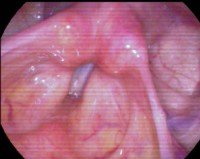
Functional dysphonia

Additional facts

 Функциональная дисфония (ФД) - это группа нарушений голоса, которая возникает в результате нарушения координации в нормальном строении гортани. FD составляет около 40% всех нарушений голоса. Чаще всего в фониатрической практике встречается гипотоническая дисфония (70-80%), гораздо реже - гипертоническая (2,4%).
 Половозрастные характеристики распределения разных типов функциональной дисфонии различаются. Так, мужчины страдают гипертонической дисфонией, женщины - гипотонической и спастической дисфонией. Мутационная дисфония часто возникает у подростков. Фонастения - профессиональное заболевание профессионалов.

Reasons

 Основное отличие функциональной дисфонии от органической - отсутствие стойких органических изменений голосовой системы. Фонаторная дисфункция развивается преимущественно на фоне конституциональных, стрессорных, гормональных, нейрогенных факторов. Все причины функциональной дисфонии можно разделить на несколько групп:
 • Голосовая перегрузка. Толчком к развитию гипертонического БП может быть неправильная техника голосового сопровождения: насильственное пение и речь, повышение голоса в шумной обстановке. Напряжение голоса особенно нежелательно при заболеваниях верхних дыхательных путей (ОРВИ, ларингит, трахеит). Гипотоническая дисфония же может образоваться на фоне длительного молчания.
 • Психогенные факторы. Голосовые изменения по типу дисфонии могут возникать в связи с травматической ситуацией, астеническим синдромом любой этиологии, тревожными расстройствами или депрессией. Эмоциональная лабильность и склонность к истерическим реакциям обычно провоцируют функциональную афонию.
 • Эндокринные расстройства. Среди причин этой группы преобладают заболевания щитовидной железы (гипотиреоз, гипертиреоз). Функциональные нарушения голоса возможны при миастении, вызванной патологией вилочковой железы. У подростков в период полового созревания может развиться мутационная дисфония, у женщин в период менопаузы - пресбифония.
 • Неврологические заболевания. Вегето-сосудистая дистония, болезнь Паркинсона, ЧМТ и.

Pathogenesis

 Механизм возникновения функциональной дисфонии связан с дезорганизацией ряда процессов, обеспечивающих формирование голоса: речевого дыхания, фонации и собственно артикуляции. Гипотоническая дисфония сопровождается паритетом мышц гортани, несмыканием голосовых связок. Вибрации голосовых связок слабые, малоподвижные, дыхательные циклы нерегулярны.
 При гипертоническом БП чрезмерная голосовая нагрузка вызывает тоническое напряжение мышц лица, шеи, брюшного пресса и спастические сокращения голосовых связок. При этом дыхание неглубокое, нерегулярное, из-за напряжения диафрагмы выдох происходит рывками. Голосовые связки становятся гиперемированными, отечными и «ползают» друг по другу при фонации. Со временем развивается гипертрофия вестибулярных складок.
 Гипогипертоническая дисфония характеризуется снижением тонуса голосовых связок с повышением вестибулярного тонуса. В этом случае фонация осуществляется не из-за истинной, а из-за ложных (вестибулярных) складок гортани - появляется так называемый голос вестибулярной складки.
 В основе спастической дисфонии лежит нарушение согласованной работы наружных и внутренних мышц гортани, а также дыхательных мышц. Наряду со спазмом голосовых связок возникают суставные судороги и сокращения лицевых и шейных мышц.

Classification

 В зависимости от состояния голосовых связок при фонации и ларингоскопической картины функциональную дисфонию принято разделять на 4 группы:
 • Гипотонический (гипокинетический, гипофункциональный). Тонус мышц гортани снижен, при фонации деятельность голосовых связок слабая;
 • Гипертонический (гиперкинетический, гиперфукциональный) - повышает тонус мышц гортани и напряжение складок;
 • Гипогипертонический (гипогиперкинетический или смешанный). Тонус истинных складок снижается, тон ложных складок повышается;
 • Спастический. Неконтролируемое повышение тонуса гортани, суставных мышц, дыхательных мышц.
 Некоторые авторы, помимо этих разновидностей, добавляют еще фонастению, мутационную дисфонию и функциональную (психогенную, истерическую) афонию.

Symptoms

Гипертонусная дисфония.

 Фонация происходит с дополнительным усилием, напрягая мышцы лица и шеи. Тембр становится резким, пронзительным, в голосе появляется неприятный металлический подтон. Субъективные симптомы гиперкинетической функциональной дисфонии сводятся к постоянной боли в горле, желанию откашлять скопившуюся слизь.
 Пациент отмечает, что он не может произвольно изменять силу и тембр голоса. Усталость голоса и периодические спазмы горла заставляют вас быстро перестать говорить или петь и заткнуться.
 Ассоциированные симптомы: Боль в горле. Дефект озвончения. Диспросодия. Осиплость голоса. Першение в горле. Поверхностный кашель. Судороги в ногах. Сухость во рту.

Possible complications

 Функциональные нарушения, вызывающие дисфонию, обратимы, но в некоторых случаях могут вызывать вторичные органические изменения голосового аппарата. Так, при длительном течении гиперкинетической дисфонии образуются узелки голосовых складок. При спастической дисфонии и психогенной афонии отмечаются неврологические слои, поддерживающие рецидивы функциональной дисфонии.
 Стойкое нарушение голосовой функции поднимает коммуникационные барьеры, порождает неверие в возможность восстановления голоса. Для тех, чей голос - профессиональный инструмент, функциональная дисфония может стать серьезным препятствием для самореализации и построения карьеры.

Diagnostics

 Пациенты с нарушениями голоса нуждаются в тщательном обследовании. В первую очередь им нужна консультация лор-врача, индолога, эндокринолога. На приеме большинство пациентов жалуются на утомление и охриплость голоса, потливость и сухость в горле, которые усугубляются голосовым напряжением и стрессом. Клинико-инструментальное обследование включает:
 • Эндоскопия гортани. Ларингоскопия выявляет отсутствие органической патологии гортани, нарушение функции голосовых связок. При гипертонической дисфонии складки опухшие и плотно соприкасающиеся; с гипотоническим - паретические не закрывают; При спастической форме отмечаются спазматические сокращения мышц гортани. Ларингостробоскопия позволяет определить частоту, амплитуду и синхронность голосовых колебаний голосовых связок.
 • Акустический анализ голоса (AAG). При всех формах функциональной дисфонии обнаруживаются следующие отклонения: резкое сокращение времени максимальной фонации, значительное сужение частотного диапазона, отрицательный индекс дисфонии и снижение частоты основной.
 • Методы EFI. Методы экстра-ларингеального исследования включают электроглоттографию (EGG), электромиографию (EMG). EGG фиксирует характер колебаний голосовых связок (гиперкинез, гипокинез). ЭМГ мышц гортани выявляет их спастическое или паретическое состояние. Исследования позволяют объективировать эндоскопические данные.
 • Логопедический экзамен. Пациентам с функциональной дисфонией показана консультация фонопеда. Специалист оценивает характеристики голоса (сила, тембр, звуковая атака), характер физиологического и голосового дыхания, интонационные характеристики речи. В будущем эти данные станут основой для разработки траектории коррекции.
 Дифференциальный диагноз необходим между различными формами функциональной дисфонии (гипо- и гипертонической, спастической, гипогиперкинетической), а также между функциональными и органическими нарушениями голоса. Для последнего характерно наличие анатомических изменений в органах голосообразования (пороки развития, воспаления, опухоли, параличи ).

Treatment

 Комплексная терапия функциональной дисфонии состоит из медикаментов, физиотерапии и местного лечения. Алгоритм лечения разных видов БП разрабатывается индивидуально с учетом производственных причин. Основные компоненты:
 • Фармакологическая терапия. В большинстве случаев пациенты с ФБ соматически здоровы, поэтому лекарственная терапия назначается не всегда. При гипертонических формах возможно назначение седативных и спазмолитических средств, при гипотонических витаминах группы В. В симптоматических целях могут применяться гомеопатические препараты.
 • Физиотерапия. Из наружных методов воздействия при функциональной дисфонии эффективны чрескожные электрические процедуры (электрофорез, амплипульстерапия, ДДТ), низкочастотная магнитотерапия. Эндоларингеальные методы включают колеблющуюся электрическую стимуляцию мышц гортани с помощью аппарата VocaSTIM. Для нормализации деятельности нервной системы проводятся сеансы акупунктуры и массажа.
 • Лечебные манипуляции. Для санации резонирующих полостей назначают лекарственные ингаляции, закапывания лекарственных веществ в гортань, озонотерапию. Для снятия мышечных спазмов гортани и шеи можно делать инъекции ботулотоксина.
 • Психокоррекция. Для снижения тревожности и преодоления стресса пациентам с функциональной дисфонией часто требуется помощь психолога и психотерапевта. Проводятся аутогенные тренировки, занятия психотерапией, обучение методам релаксации.
 Реабилитационные мероприятия по восстановлению голоса обязательно включают логопед. Функциональная тренировка голосового аппарата направлена на укрепление мышечной силы и достижение идеального звучания голоса. Шаги работы:
 • нормализация тонуса мышц гортани;
 • перестройка физиологического и голосового дыхания;
 • разработка правильного механизма голосообразования;
 • закрепление правильного звучания, внедрение его в повседневное общение.
 Из специальных методов логопедии используются дыхательная и артикуляционная гимнастика, массаж с вибрационным регистром, фонопедические и вокальные упражнения.

References

 1. Функциональные нарушения голоса в практике логопеда-фонопеда/ Родькина В.А. Концепт. 2019 − №12.
 2. Восстановление голоса у лиц с гипотонусной дисфонией/ Барабанов Р.Е. Педагогические науки. 2016 − № 2.
 3. К вопросу о функциональных дисфониях/ Милоченко Т.Г. Журнал вушних, носових і горлових хвороб. 2011 - №2.
 4. Нарушения голоса/ Лаврова Е.В., Коптева О.Д., Уклонская Д.В. 2006.

Related diseases

42a96bb5c8a2acfb07fc866444b97bf1