By continuing to use the site, you allow the use of Cookies and agree to the privacy policy.
.,о.,р..и.:г,.и.,н.;н.,а;,л.. .,н.:а,.х.,о.,д.;и.,т..с.:я,, ..н.;а., .,k;,i..b.:e,;r.,i.,s.,.;.r.:u,

Panic disorder

AddAnalogsCompare
Found 91 (19) ⓘFound 91 drug (19 of these, according to Kiberis statistics) in 43 selected book (author) ... hide
  Effect Influence Cases ⓘ  Effect - how much the symptom improves in one treatment cycle on average. Example: drug Pain relief for cancer pain-Effectiveness (E) is high, but the effect (I) negative, because the patient will get worse over time.
Influence of the symptom on the outcome of the patient's treatment as a whole (i.e., the importance of the symptom). Example: menopause can not be cured (E low). But some means during menopause will be better than others (I high).
Cases - the number of investigated treatment results for a given complaint, on the basis of which the effect and effect were calculated. These cases have already passed automatic AI verification of data quality and reliability.
  • panic disorder
  • 83%+24%5   Hidden. Need a subscription
  • 68%+19%32 read Phosphorus
    • 90% +15% 4 with «changeable mood»
    • 90% +27% 3 with «nightmares»
    • 90% +18% 4 with «worse from movement»
    • 87% +8% 4 with «drowsiness»
    • 79% +19% 6 with «dry cough»
    • 79% +20% 9 with «nervousness»
    • 79% +30% 10 with «hypertension»
    • 75% +9% 11 with «anxiety»
    • 74% +19% 9 with «emotional»
    • 72% +40% 9 with «fear of death»
    • On average: 68% 19% 32 
    • 57% +5% 9 with «discharge phobias»
    • 55% +20% 11 with «dizziness»
    • 51% -2% 5 with «apathy»
    • 50% +5% 5 with «sensations in the extremities»
    • 49% +15% 7 with «tachycardia»
    • 48% +16% 4 with «cold extremities»
    • 48% +21% 6 with «diseases of the gastrointestinal tract»
    • 47% +16% 8 with «he feels his heart»
    • 46% +19% 3 with «cold hands»
    • 46% +18% 5 with «pain in the left side of the body»
    • 46% +12% 6 with «sociable»
    • 46% +18% 5 with «pain throughout the body»
    • 46% +8% 7 with «high temperature»
    • 42% +4% 6 with «poor sleep»
    • 40% +9% 8 with «palpitations»
    • 37% +9% 6 with «abdominal pain»
    • 32% -7% 5 with «bleeding»
    • 30% +10% 6 with «thirst»
    • 29% +21% 5 with «dyspnea»
  • 66%+15%27 read Pulsatilla nigricans
    • 100% +29% 4 with «allergy»
    • 98% +23% 8 with «eating and drinking»
    • 96% +32% 4 with «high temperature»
    • 92% +7% 5 with «lower back pain»
    • 91% +35% 5 with «worried about loved ones»
    • 88% +21% 6 with «stress»
    • 88% +12% 6 with «likes sweets»
    • 87% +9% 7 with «back pain»
    • 86% +11% 7 with «swelling»
    • 86% +15% 6 with «nervousness»
    • 85% +12% 4 with «inflammation»
    • 82% +17% 6 with «pain chest»
    • 70% +22% 11 with «headaches»
    • On average: 66% 15% 27 
    • 48% +13% 7 with «tachycardia»
    • 48% +13% 7 with «he feels his heart»
    • 48% +13% 7 with «palpitations»
    • 43% +6% 8 with «discharge phobias»
    • 38% +5% 4 with «bloating»
    • 37% +11% 6 with «poor sleep»
  • 65%-22%5 read Thuja occidentalis
  • 60%+17%3 read Acidum nitricum
  • 58%+19%15 read Nux vomica
    • 77% +14% 6 with «sweating is increased»
    • On average: 58% 19% 15 
    • 41% +8% 6 with «anxiety»
    • 32% -3% 6 with «eating and drinking»
    • 32% -1% 4 with «suspiciousness»
    • 30% -3% 6 with «he feels his heart»
    • 28% -5% 5 with «palpitations»
    • 28% -5% 5 with «tachycardia»
    • 26% -6% 5 with «discharge phobias»
    • 20% -11% 4 with «nervousness»
  • 57%+12%44 read Lachesis muta
    • 100% +25% 5 with «periodic illness»
    • 91% +26% 5 with «monthly painful»
    • 89% +22% 4 with «fear of being alone»
    • 89% +16% 3 with «constipation»
    • 82% +32% 5 with «psychosomatics»
    • 81% +28% 11 with «chilly»
    • 81% +22% 5 with «worried about loved ones»
    • 80% +18% 4 with «tremor tongue»
    • 78% +13% 5 with «hypotension»
    • 77% +8% 4 with «rashes dry»
    • 77% +25% 9 with «tearfulness»
    • 76% +25% 5 with «headache on the right»
    • 75% +25% 7 with «internal tension»
    • 74% +24% 7 with «trembling in the extremities»
    • 74% +24% 7 with «tremor of the limb»
    • 74% +19% 5 with «internal trembling»
    • 74% +24% 7 with «tremor of the hands»
    • 73% +22% 9 with «tremor»
    • 73% +14% 5 with «night sweating»
    • 73% +14% 5 with «excessive sweating at night»
    • 73% +16% 6 with «sleep intermittent»
    • 73% +27% 10 with «diseases of the gastrointestinal tract»
    • 73% +14% 5 with «sweating during the day»
    • 73% +14% 5 with «night sweat»
    • 72% +25% 9 with «changeable mood»
    • 72% +17% 7 with «chronic condition»
    • 72% +21% 7 with «swelling»
    • 72% +24% 8 with «bloating»
    • 71% +10% 7 with «illness from stress»
    • 71% +25% 4 with «swelling of the extremities»
    • 71% +25% 4 with «swelling of the legs»
    • 70% +31% 11 with «imbalance»
    • 70% +31% 11 with «dizziness»
    • 68% +19% 10 with «hot patient»
    • 68% +15% 11 with «outbursts of anger»
    • 68% +15% 11 with «flash screams in anger»
    • 68% +15% 11 with «aggressive»
    • 68% +15% 11 with «screams with anger»
    • 67% +27% 8 with «irritability during»
    • 67% +27% 8 with «irritability»
    • 66% +12% 7 with «chatty»
    • 66% +17% 8 with «cough»
    • 66% +25% 11 with «weather dependence»
    • 65% +15% 7 with «indecision»
    • 64% +24% 10 with «quickly gets tired»
    • 64% +20% 9 with «consequences of grief»
    • 64% +20% 9 with «grief»
    • On average: 57% 12% 44 
    • 50% +21% 4 with «anxiety at night»
    • 50% +14% 10 with «desire for fresh air»
    • 50% +17% 10 with «hypertension»
    • 48% +7% 8 with «impressionability»
    • 47% +21% 7 with «sensations in the extremities»
    • 46% +14% 4 with «numbness of the extremities»
    • 41% -3% 6 with «fear of death»
    • 34% +4% 4 with «noise irritates»
    • 30% +12% 5 with «worse during day»
    • 30% +14% 4 with «sensations in the hands»
    • 26% -15% 5 with «feeling of lack of air»
    • 25% +0% 4 with «desire for salty»
    • 25% -9% 7 with «dyspnea»
    • 25% +10% 4 with «headache in the back of the head»
    • 16% +6% 3 with «worse in morning»
    • 6% -1% 4 with «itchy skin»
  • 56%+12%10 read Argentum nitricum
    • 73% +24% 4 with «anxiety»
    • On average: 56% 12% 10 
    • 40% +2% 5 with «poor sleep»
  • 55%+7%24 read Aconitum napellus
    • 92% +21% 3 with «diseases of the gastrointestinal tract»
    • 83% +15% 4 with «worse from worry»
    • 69% +4% 10 with «discharge phobias»
    • 63% +14% 7 with «hypertension»
    • On average: 55% 7% 24 
    • 50% -6% 3 with «worried about his health»
    • 45% -7% 4 with «pain chest»
    • 41% -2% 8 with «anxiety»
    • 41% -12% 6 with «dizziness»
    • 41% -12% 6 with «imbalance»
    • 39% -15% 5 with «sensations in the extremities»
    • 27% -1% 6 with «chilly»
  • 48%+11%4 read Staphysagria
  • 41%-6%24 read Natrum muriaticum
    • 88% +20% 3 with «refusal to drink»
    • 88% +20% 3 with «no appetite»
    • 83% +17% 3 with «muscle tension»
    • 83% +17% 3 with «stiffness in the neck»
    • 82% +1% 7 with «suspiciousness»
    • 77% -2% 8 with «he feels his heart»
    • 77% +14% 4 with «vegetative vascular dystonia»
    • 74% -2% 6 with «tachycardia»
    • 73% +5% 4 with «high temperature»
    • 71% +4% 7 with «desire for fresh air»
    • 69% -3% 8 with «discharge phobias»
    • 65% +18% 4 with «quickly gets tired»
    • 65% -3% 7 with «palpitations»
    • 64% -22% 4 with «hot patient»
    • 62% +20% 5 with «irritability during»
    • 62% +20% 5 with «irritability»
    • 62% +7% 11 with «eating and drinking»
    • 62% -15% 4 with «stress»
    • 60% -3% 7 with «chilly»
    • 59% +3% 5 with «worse from worry»
    • 59% -16% 6 with «emotional»
    • 58% -8% 7 with «spasm»
    • 57% +3% 11 with «poor sleep»
    • 53% +5% 6 with «neck pain»
    • 52% -10% 7 with «grief»
    • 51% -8% 6 with «worse during day»
    • 50% -6% 7 with «sweating is increased»
    • 50% -6% 6 with «dyspnea»
    • 50% +9% 9 with «hypertension»
    • 50% -6% 6 with «feeling of lack of air»
    • 45% -2% 11 with «anxiety»
    • On average: 41% -6% 24 
    • 30% -3% 7 with «tearfulness»
    • 28% -4% 5 with «imbalance»
    • 28% -4% 5 with «dizziness»
    • 26% -9% 5 with «burning in the stomach»
    • 7% -33% 5 with «nausea»
  • 38%+2%5 read Natrum sulphuricum
  • 35%+2%21 read Arsenicum album
    • 71% +24% 4 with «feeling in the throat»
    • 53% +3% 5 with «dyspnea»
    • 53% +15% 5 with «tachycardia»
    • 53% +15% 5 with «palpitations»
    • 49% -9% 5 with «prolonged insomnia»
    • 49% -9% 5 with «cannot sleep»
    • 49% -9% 5 with «can not sleep»
    • 49% +0% 7 with «headaches»
    • On average: 35% 2% 21 
    • 25% -13% 6 with «diseases of the gastrointestinal tract»
    • 24% -7% 6 with «worried about his health»
    • 24% -7% 6 with «nervousness»
    • 14% -24% 8 with «anxiety»
    • 11% -25% 5 with «discharge phobias»
    • 6% -30% 4 with «suspiciousness»
    • 5% -22% 4 with «fog in the head»
    • 5% -22% 4 with «can not think»
    • 5% -22% 4 with «can't get together»
    • 2% -34% 3 with «noise in the head»
    • 1% -33% 5 with «increased sensitivity»
    • 0% -35% 4 with «irritability during»
    • 0% -35% 4 with «irritability»
  • 35%-9%7 read Gelsemium sempervirens
  • 30%-17%5 read Cocculus indicus
  • 27%-12%6 read Sulphur
  • 21%+0%3 read Kalium carbonicum
  • 20%+2%3 read Sepia officinalis
  • 19%-16%16 read Calcarea carbonica
    • 60% +21% 6 with «eating and drinking»
    • 57% +14% 5 with «stress»
    • 46% +1% 7 with «poor sleep»
    • 45% +11% 7 with «discharge phobias»
    • 35% +10% 5 with «worse during day»
    • On average: 19% -16% 16 
    • 0% -29% 5 with «noise irritates»
    • -12% -41% 6 with «emotional»
  • Abies nigra read
  • Abroma augusta read
  • Aethusa cynapium read
  • Amyl nitrate read
  • Arnica montana read
  • Artemisia vulgaris read
  • Arum maculatum read
  • Aurum metallicum read
  • Baryta muriatica read
  • Belladonna read
  • Berberis vulgaris read
  • Cactus grandiflorus read
  • Cahinca rasemosa read
  • Caladium seguinum read
  • Calendula officinalis read
  • Camphora read
  • Cannabis indica read
  • Cannabis sativa read
  • Capsicum annuum read
  • Cascarilla read
  • Chamomilla vulgaris read
  • Chelone glabra read
  • China officinalis read
  • Chininum sulphuricum read
  • Chocolate homeopatia read
  • Cimicifuga racemosa read
  • Cina maritima read
  • Colchicum autumnale read
  • Collinsonia canadensis read
  • Crotalus cascavella read
  • Croton tiglium read
  • Cuprum metallicum read
  • Digitalinum read
  • Diosma lincaris read
  • Elaterium officinarum read
  • Eupatorium perfoliatum read
  • Flowers Energy №16 read
  • Flowers Energy №50 read
  • Folliculinum read
  • Glonoinum read
  • Granitum read
  • Graphites naturalis read
  • Hydrocyanicum acidum read
  • Hyoscyamus niger read
  • Kali bromatum read
  • Kali iodatum read
  • Lac caprinum read
  • Laudanum read
  • Lithium carbonicum read
  • Mancinella venenata read
  • Mentholum read
  • Mephitis putorius read
  • Mercurius solubilis read
  • Murex purpurea read
  • Myrica cerifera read
  • Oenanthe crocata read
  • Platinum metallicum read
  • Plumbum metallicum read
  • Psorinum read
  • Quercus robur read
  • Ranunculus bulbosus read
  • Rhus radicans read
  • Robinia pseudacacia read
  • Sambucus nigra read
  • Spigelia anthelmia read
  • Stramonium read
  • Strychninum purum read
  • Sumbulus moschatus read
  • Tabacum read
  • Tarentula hispanica read
  • Veratrum album read
  • Sonit read
  1. ICD-10 codes
  2. Description
  3. Symptoms
  4. Reasons
  5. Treatment
  6. Similar diseases
  7. Related clinical guidelines
  8. Related standards of medical care
  9. Basic medical services
  10. Clinics for treatment
Panic disorder

ICD-10 codes

Description

 Паническое расстройство - это распространенное тревожное расстройство, которому подвержены приблизительно 4% населения. У женщин эта болезнь наблюдается в шесть раз чаще, чем у мужчин. Типичное начало панического расстройства обычно наблюдается в подростковом возрасте и в начале зрелого возраста.
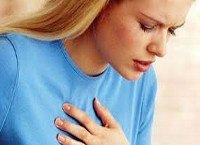
Panic disorder

Symptoms

 - внезапное сильное сердцебиение.
 - затруднение дыхания или удушье.
 - боль или дискомфорт в груди.
 - тошнота или дискомфорт в животе.
 - головокружение.
 - повышенное потоотделение.
 - дрожь.
 - жар или озноб.
 - ощущение онемения (парестезия).
 - ощущение нереальности происходящего или собственной измененности (дереализация /деперсонализация).
 - страх потерять контроль над собой или сойти с ума.
 - страх.
 Первый приступ паники пациент обычно старается связать с недавно случившимся событием или неприятным переживанием. Как правило, панические приступы имеют тенденцию к повторению, причем с течением времени возникают все чаще, при этом реальных причин для их развития найти уже не удается. Поскольку панический приступ для пациента - это крайне неприятное и пугающее его ощущение, то к паническим приступам добавляется еще и постоянный страх перед их возникновением.
 Эти частые внезапные приступы с пугающей симптоматикой становятся причиной страха перед определенными ситуациями, например, когда человек остается наедине с собой, посещает людные места (магазины, кино или театры), или находится в общественном транспорте, лифте. При этом с одной стороны, человек, страдающий паническими приступами, боится оказаться в неловком положении и обнаружить перед другими людьми свои расстройства, а с другой, его пугает невозможность получения срочной медицинской помощи.

Reasons

 Точная причина возникновения панического расстройства до сих пор недостаточно выяснена, однако, известно, что при паническом расстройстве наблюдаются изменения в центральной нервной системе, связанные с обменом таких веществ, как серотонин и норадреналин. По-видимому, существенная роль при возникновении болезни принадлежит наследственной предрасположенности. У близких родственников людей, подверженных паническому расстройству, часто наблюдаются аналогичные симптомы или проявления других тревожных расстройств. Заболевание паническими расстройствами часто совпадает с существенными психическими переживаниями, стрессами или переменами в жизненном укладе: разводом, переменой места жительства, окончанием университета, женитьбой, рождением первого ребенка.

Treatment

 Раскрытие сущности панического расстройства и применение новых лекарств значительно расширило лечебные возможности при этой болезни. При правильном лечении излечивается до 80% пациентов с паническим расстройством. Целью лечения является устранение приступов паники, нормализация настроения и восстановление полноценной жизни. Лучшие результаты дает комплексное лечение панического расстройства, при котором медикаментозное лечение сочетается с психотерапией. Лечение панического расстройства - длительный процесс, и в зависимости от степени тяжести болезни может длиться от нескольких месяцев до нескольких лет. Результатом преждевременного прекращения лечения может быть возобновление болезни.

Similar diseases

Related clinical guidelines

Related standards of medical care

42a96bb5c8a2acfb07fc866444b97bf1
Available only when using PRO account
Content moderator: Vasin A. S.


  1. Kiberis is NOT an online store and does NOT purchase, store, sell or deliver drugs. The resource acts only as an intermediary between you and the manufacturer of drugs or pharmacy points, which carry out the delivery.
  2. On Kiberis there are descriptions of drugs, some of which are intended only for doctors. This information cannot be used by patients to make decisions about the use of drugs, their cancellation or correction of dosages.
  3. Nothing in the information provided should be interpreted as a call to use these drugs.
  4. No claims can be made to Kiberis regarding any damage or harm incurred as a result of the use of the information posted on the site.