By continuing to use the site, you allow the use of Cookies and agree to the privacy policy.
.,о.,р..и.:г,.и.,н.;н.,а;,л.. .,н.:а,.х.,о.,д.;и.,т..с.:я,, ..н.;а., .,k;,i..b.:e,;r.,i.,s.,.;.r.:u,

I47.1 Supraventricular tachycardia

AddAnalogsCompare
Found partially in the 9 (1) ⓘFound partially in the 9 drugs (1 of these, according to Kiberis statistics) in 43 selected books (authors) ... hide
  Effect Influence Cases ⓘ  Effect - how much the symptom improves in one treatment cycle on average. Example: drug Pain relief for cancer pain-Effectiveness (E) is high, but the effect (I) negative, because the patient will get worse over time.
Influence of the symptom on the outcome of the patient's treatment as a whole (i.e., the importance of the symptom). Example: menopause can not be cured (E low). But some means during menopause will be better than others (I high).
Cases - the number of investigated treatment results for a given complaint, on the basis of which the effect and effect were calculated. These cases have already passed automatic AI verification of data quality and reliability.
  • i47.1 supraventricular tachycardia
  • 62%+15%15 read Arsenicum album
    Atria - E 62% (I 15%, 15 cases.); Tachycardia - E 51% (I 12%, 56 cases.)

    предсердия,тахикардия

    • 88% +14% 5 with «interruptions in the heart»
    • 87% +14% 5 with «internal trembling»
    • 87% +4% 5 with «dizziness»
    • 85% +2% 5 with «tearfulness»
    • 85% +30% 10 with «violation of the right departments hearts»
    • 80% +19% 5 with «numbness of the extremities»
    • 79% +9% 5 with «imbalance»
    • 79% +37% 11 with «pain in the left side of the body»
    • 76% +15% 5 with «fear of illness»
    • 76% +15% 5 with «panic attacks»
    • 75% +15% 7 with «diarrhea»
    • 75% +15% 7 with «unformed feces»
    • 75% +15% 7 with «fecal shape unformed»
    • 63% +20% 9 with «dry cough»
    • On average: 51% 12% 56 
    • 41% +1% 11 with «anxiety»
    • 40% +2% 9 with «worse lying down»
    • 38% -4% 10 with «arrhythmia»
    • 37% +19% 9 with «dysfunction of the left lung»
    • 35% +10% 7 with «prolonged insomnia»
    • 35% +10% 7 with «can not sleep»
    • 35% +10% 7 with «cannot sleep»
    • 31% -16% 7 with «sociable»
    • 30% -13% 7 with «frequent urination during the day»
    • 30% -11% 10 with «quickly gets tired»
    • 30% -13% 7 with «frequent urination at night»
    • 29% -12% 5 with «touchy»
    • 29% -14% 8 with «speeded up urination»
    • 27% +21% 6 with «nausea»
    • 26% -1% 5 with «noise in the head»
    • 25% -13% 6 with «rashes on the head»
    • 25% -13% 6 with «rashes on the face»
    • 23% -10% 8 with «responsible»
    • 21% -22% 6 with «suspiciousness»
    • 19% -2% 7 with «no strength»
    • 19% -2% 7 with «exhaustion»
    • 18% -5% 6 with «impressionability»
    • 18% -4% 5 with «better lying down»
    • 17% -8% 7 with «burning in the stomach»
    • 17% -20% 5 with «indecision»
    • 16% -16% 5 with «rash in the mouth»
    • 15% -6% 10 with «emotional»
    • 15% -11% 6 with «heartburn»
    • 14% -8% 6 with «periodic illness»
    • 14% -23% 4 with «allergy»
    • 14% -10% 7 with «forgetfulness»
    • 13% -1% 7 with «pain in the heart»
    • 12% -15% 5 with «desire for fresh air»
    • 12% -5% 9 with «itchy skin»
    • 12% -3% 9 with «cold extremities»
    • 11% -8% 4 with «despair»
    • 10% -24% 5 with «bloating»
    • 10% +7% 5 with «abdominal pain»
    • 6% -7% 5 with «congestion belching»
    • 6% -20% 6 with «neurosis»
    • 5% -13% 4 with «desire for salty»
    • 1% -24% 4 with «chatty»
    • 0% -24% 4 with «worse from the heat»
    • 0% -7% 8 with «nervousness»
    • 0% +2% 4 with «vomiting»
    • 0% -23% 5 with «apathy»
    • -3% -6% 7 with «increased sensitivity»
    • -6% -3% 6 with «worried about his health»
    • -8% -9% 5 with «difficulty breathing»
    • -8% -8% 4 with «to breathe hard»
    • -16% -20% 4 with «changeable mood»
    • -16% -20% 5 with «sweating limbs»
    • -16% -22% 4 with «sleep restless»
  • Amyl nitrate read
  • Argentum metallicum read
  • Capsicum annuum read
  • Collinsonia canadensis read
  • Secale cornutum read
  • Tabacum read
  • Tarentula hispanica read
  • Vipera berus read

Tree of ICD-10 diagnoses

  1. Description
  2. Related diseases
  3. Related clinical guidelines
  4. Related standards of medical care
  5. Basic medical services
  6. Clinics for treatment

Other names and synonyms

I47.1.
I47.1 Supraventricular tachycardia

Description

Наджелудочковая аритмия.

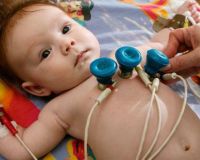
 Повторяющиеся приступы учащенного сердцебиения, начинающиеся в верхних камерах сердца. В основном наблюдается у детей. Иногда является семейным заболеванием. Факторы риска: физическая нагрузка, злопотребление алкоголем и кофеином.

Наджелудочковая тахикардия (НЖТ).

 Форма аритмии, вызванная нарушением электрической проводимости и регуляции частоты сердечных сокращений. Во время приступа НЖТ, который может продлиться несколько часов, сердце бьется быстро, но ровно. Частота сердечных сокращений достигает 140-180 уд./мин, а иногда и больше. В здоровом сердце каждое сокращение инициируется электрическим импульсом из синусно-предсердного узла (водителя ритма сердца), расположенного в правом предсердии (верхней камере сердца).
 Затем импульс проходит во второй узел, который посылает импульс в желудочки. При НЖТ синусно-предсердный узел не контролирует сердечные сокращения, как из-за формирования патологических проводящих путей, по которым электрический импульс постоянно циркулирует между предсердно-желудочковым узлом и желудочками, так и из-за образования дополнительного узла, который посылает дополнительные импульсы, нарушающие сердечный ритм. НЖТ может впервые появиться в детстве или подростковом возрасте, хотя это заболевание возможно в любом возрасте.
 В некоторых случаях причина НЖТ - врожденное нарушение проводящей системы сердца. Приступы начинаются без видимых причин, но их может спровоцировать физическая нагрузка, кофеин и алкоголь.
 Симптомы.
 • учащенное сердцебиение;
 • головокружение;
 • боль в груди или шее.
 Обычно появляются внезапно. Могут сохраняться от нескольких секунд до часов.
 Осложнения.
 Сердечная недостаточность. В некоторых случаях длительный приступ НЖТ может понизить давление до угрожающего уровня.
 Диагностика.
 Если врач предполагает НЖТ, то пациента направят на ЭКГ, чтобы записать электрическую активность сердца. Эти исследования продолжаются 24 ч или больше, поскольку заболевание проявляется периодически. Возможны дополнительные исследования для выявления патологии проводящей системы сердца.
 Лечение.
 При продолжительных и тяжелых приступах требуется срочное стационарное лечение. В больнице пациенту дадут кислород и сделают внутривенные инъекции антиаритмических ЛС. В некоторых случаях проводят электроимпульсную терапию, чтобы восстановить нормальный сердечный ритм.
 Пациенты с короткими и редкими приступами НЖТ могут контролировать сердечный ритм, стимулируя блуждающий нерв. Одним из способов такой стимуляции является растирание кожи на шее над сонной артерией, хотя это не рекомендуется делать людям старше 50 лет - так можно спровоцировать инсульт. Можно также умыться ледяной водой или начать тужиться, как при дефекации. Врач расскажет об этих методах стимуляции. Тяжелые приступы НЖТ можно лечить продолжительным курсом антиаритмических лекарств. Также для лечения НЖТ применяют радиочастотную абляцию, которую выполняют во время электрофизиологических исследований. При этом разрушают патологические проводящие пути, но есть опасность полной блокады проводящей системы сердца. В большинстве случаев НЖТ не влияет на продолжительность жизни.

Меры самопомощи.

Related diseases

I47.1 Supraventricular tachycardia

Related clinical guidelines

Related standards of medical care

42a96bb5c8a2acfb07fc866444b97bf1
Available only when using PRO account
Content moderator: Vasin A. S.


  1. Kiberis is NOT an online store and does NOT purchase, store, sell or deliver drugs. The resource acts only as an intermediary between you and the manufacturer of drugs or pharmacy points, which carry out the delivery.
  2. On Kiberis there are descriptions of drugs, some of which are intended only for doctors. This information cannot be used by patients to make decisions about the use of drugs, their cancellation or correction of dosages.
  3. Nothing in the information provided should be interpreted as a call to use these drugs.
  4. No claims can be made to Kiberis regarding any damage or harm incurred as a result of the use of the information posted on the site.